Rocky ground or easy digging? Movable or permanent? A look at two classic Montana ranch fence styles and when to use each.
Fencing is a quintessential part of ranch life in Montana, with its rugged landscapes and sprawling properties. As a landowner in the Treasure State, choosing the right fence style is crucial for both functionality and aesthetics. Two popular options you’ll encounter are the classic buck-and-rail fence and the post-and-rail fence. Each brings unique benefits and challenges, tailored to different types of terrain and purpose. Understanding these distinctions can help you decide the best fit for your needs, whether you're containing livestock, marking property boundaries, or simply enhancing the rustic charm of your property.
Understanding Buck-and-Rail Fencing
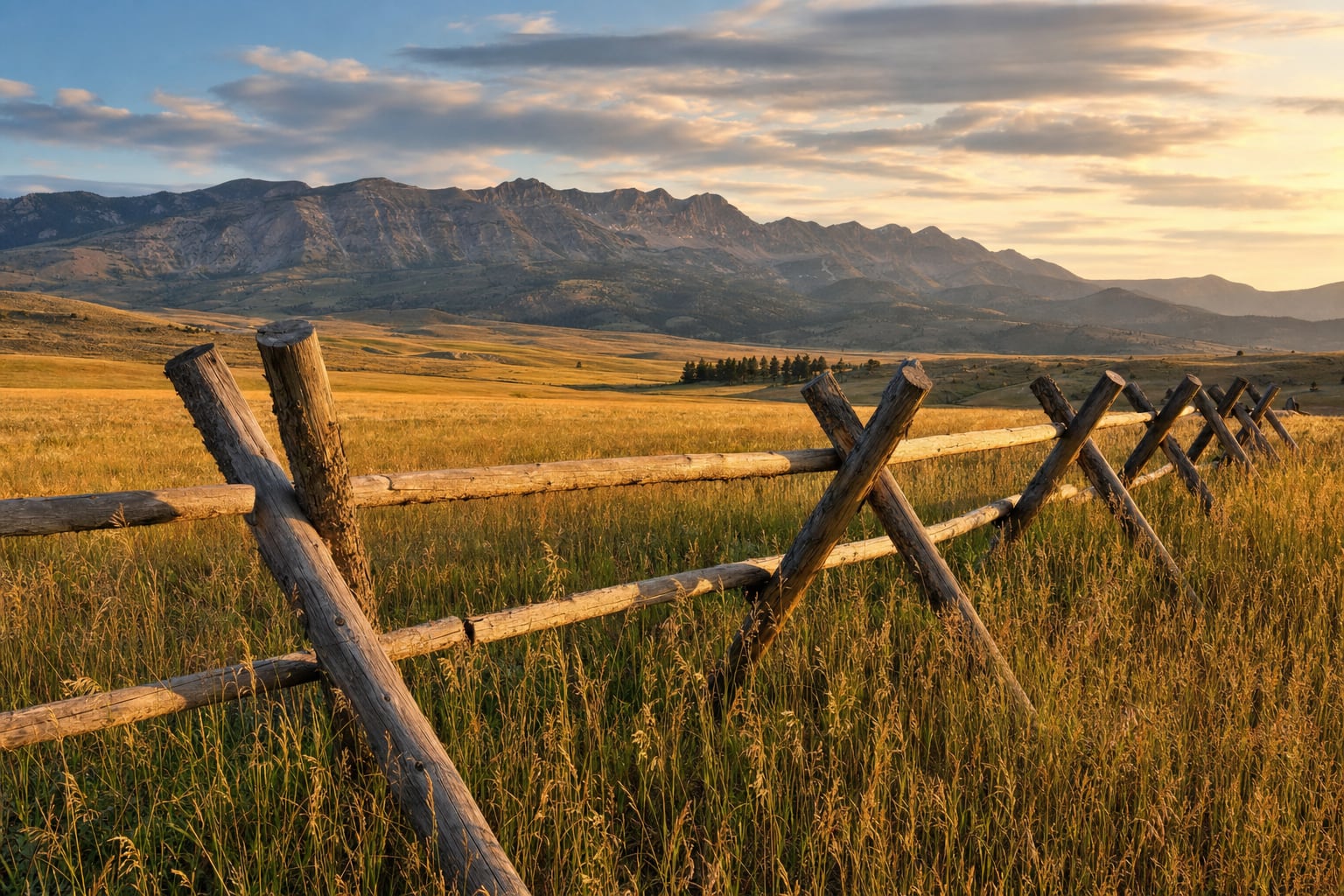
The buck-and-rail fence is a traditional choice that resonates deeply with the rugged Montana landscape. Originating in areas with rocky or hard-to-dig soils, this type of fence doesn’t require the posts to be set into the ground, making it an excellent option for properties with challenging terrain.
Design and Structure
The construction of a buck-and-rail fence involves creating "bucks" or A-frame structures, which are then connected by horizontal rails. This design not only provides stability but also allows the fence to contour naturally to the land’s undulations, which is ideal for the rolling hills and uneven terrain that you might find around places like Paradise Valley or the Shields Valley.
Benefits of Buck-and-Rail Fencing
One of the primary advantages of buck-and-rail fencing is its versatility in rocky or unfriendly soil conditions where digging post holes would be impractical. It’s also a solid choice for temporary fencing solutions since it can be dismantled and moved with relative ease. Furthermore, the aesthetic of a buck-and-rail fence complements the natural beauty of the Montana landscape, adding a rustic and authentic touch.
Considerations and Challenges
While buck-and-rail fences are excellent for uneven and rocky terrains, they do require more wood for construction, which can impact material costs. Additionally, their structure can make them less suitable for areas that require a high degree of security or for containing smaller livestock that might find their way through the lower gaps.
Exploring Post-and-Rail Fencing
Post-and-rail fencing is another staple of Montana’s ranch landscape, especially prevalent in areas where the soil is more forgiving. This style is characterized by vertical posts set into the ground, with horizontal rails spanning the gaps between them. It's a traditional choice for many ranch owners due to its classic appearance and sturdy construction.
Construction Details
The installation of post-and-rail fencing begins with setting the vertical posts securely into the ground. This method requires a bit more labor upfront, particularly in digging the post holes, but results in a robust and long-lasting fence. The rails are then affixed, providing a clean, straightforward design that fits well in the open expanses of places like Bozeman or Livingston.
Advantages of Post-and-Rail Fencing
Post-and-rail fences are renowned for their durability and ability to contain livestock effectively. They offer a cleaner, more organized appearance while providing a strong physical barrier. This makes them particularly suitable for larger animals like horses and cattle, where a reliable containment solution is necessary. Furthermore, once installed, a post-and-rail fence requires minimal maintenance.
Potential Drawbacks
One of the main challenges with post-and-rail fencing is the initial installation effort, especially if your land has a lot of rocks or clay. It also lacks the flexibility of a buck-and-rail fence when it comes to moving or adjusting the layout. This might not be ideal if you anticipate needing to change your fencing setup frequently.
Key Considerations When Choosing Your Fence
When deciding between buck-and-rail and post-and-rail fencing, consider the specific needs of your property. The type of terrain, the purpose of the fence, and your future plans for the land all play into this decision. For instance, if your property in Gardiner comprises mostly rocky terrain, the buck-and-rail may save you significant labor and headache. Conversely, if you’re fencing in a flat pasture in Clyde Park, a post-and-rail setup might offer the permanence and structure you need.
Terrain and Soil Types
The soil and landscape are primary factors. Buck-and-rail is ideal for rocky, uneven terrains where digging is problematic. Post-and-rail is better suited for softer, more manageable soils where posts can easily be sunk.
Purpose and Functionality
Consider what you’re fencing in or out. For instance, if you’re aiming to keep elk out of a garden plot near Big Sky, you might need the height and strength of a post-and-rail fence. For aesthetic boundaries or less intrusive options, buck-and-rail offers a rustic appearance with less permanence.
Future Flexibility Needs
How permanent should your fence be? For landowners planning to expand or reconfigure their property boundaries, the ease of moving or adjusting a buck-and-rail fence can be a significant advantage.
Installation Process: What to Expect
Understanding the installation process for each fence type can aid in planning and budgeting. Whether you choose to install the fence yourself or hire a professional crew, it's important to know what to expect in terms of labor and timeline.
Buck-and-Rail Installation
Installing a buck-and-rail fence generally requires assembling the A-frame bucks first, then attaching the rails to these structures. This can be done with relative ease and speed, especially in areas where the ground is too tough for digging. Due to its simplicity, this can be a DIY-friendly project for handy landowners or can be quickly executed by a professional crew.
Post-and-Rail Installation
For post-and-rail fences, the process begins with laying out the fence line and digging post holes, which requires more intensive labor. This step is crucial for ensuring the stability and alignment of the fence. Once the posts are set, the rails are attached. This might be a project best left to professionals if dealing with a large area or if precision is a top priority.
Weather and Seasonal Considerations
Montana's weather plays a significant role in when and how you can install your fence. Both fence types have considerations depending on the season.
Spring and Summer Installation
Spring and summer are ideal for fence installation across Montana. The ground is more pliable, making it easier to work with, especially for post-and-rail fences. However, summer can also bring dry conditions, so it’s important to ensure the wood is properly treated to withstand the elements.
Fall and Winter Challenges
While buck-and-rail fences can technically be installed year-round, winter installations can be challenging due to frozen ground and harsh weather conditions. Fall, with its cooler temperatures, can be a great time to install a post-and-rail fence before the ground hardens or snow sets in.
Common Mistakes to Avoid
Avoiding common pitfalls in fence installation can save time and money in the long run. Here are a few tips to keep in mind:
Ignoring Terrain Challenges
One of the most frequent mistakes is underestimating the difficulty of the terrain. Always factor in your land’s unique challenges and choose a fence style that suits those conditions.
Improper Material Selection
Choosing the wrong materials can lead to faster deterioration. Ensure the wood is suitable for Montana's climate and that any metal components are rust-resistant.
Neglecting Future Needs
Plan ahead for potential future changes to your property or fencing needs. Selecting a fence style that allows for flexibility can save you from costly adjustments down the line.
Frequently Asked Questions
How do buck-and-rail and post-and-rail fences compare in terms of cost?
While costs can vary depending on material quality and installation difficulty, buck-and-rail fences often require more wood, potentially increasing material costs. However, their ease of installation can sometimes balance out overall expenses compared to the labor-intensive post-and-rail.
Can both fence styles be used for containing livestock?
Yes, both styles are suitable for containing livestock, but the choice may depend on the type of animals. Post-and-rail fences are generally more robust for larger livestock, while buck-and-rail can work well for larger animals in rocky terrains.
What maintenance do these fences require?
Both types of fences require regular inspection for weather-related wear. Post-and-rail fences need less frequent maintenance due to their sturdy construction, while buck-and-rail may need occasional rail replacements or adjustments.
How does local weather affect these fence types?
Montana's weather can be tough on fences, with heavy snow and fluctuating temperatures taking a toll. Proper treatment of wood and regular maintenance are key to ensuring longevity for both fence styles.
Get Started on Your Montana Fence Project
Whether you're leaning towards the timeless appeal of a buck-and-rail fence or the structured elegance of a post-and-rail fence, making an informed choice for your Montana property will enhance both its functionality and beauty. Paradise Valley Timber Co. is here to assist with quality materials and expert installation services. Give us a call at 406-404-7501 or request a quote to begin your fencing project today.
Questions about your project? Call 406-404-7501 or request a quote.