Cords, half cords, and the honest answer to the most common question we get: how much firewood will you actually burn in a Montana winter?
The Montana winter is as beautiful as it is brutal. With snow-capped peaks and wide-open spaces, it’s a season that demands respect. For those living in Southwest Montana, keeping a cozy home is often a top priority as the temperatures drop and the snow begins to fall. Whether you’re nestled in the Paradise Valley or further afield in Gardiner or Bozeman, having sufficient firewood is essential. One of the most common questions we get at Paradise Valley Timber Co. is, "How much firewood will I actually need for the winter?" Understanding how much firewood you require is crucial to ensure you stay warm all season long.
Understanding the Cord: The Firewood Measurement Standard
Before diving into how much firewood you’ll need, it’s important to understand the unit of measurement we use: the cord. A cord is a standardized measurement of firewood, typically amounting to a volume of 128 cubic feet. This is often arranged in a neat stack measuring 4 feet high by 4 feet wide by 8 feet long. When you hear someone talking about buying firewood in cords, this is what they mean. It’s a fair and consistent measurement that ensures you know exactly how much wood you’re getting.
For those who may not need a full cord, there’s also the option of purchasing a half cord or even a quarter cord, depending on your requirements. Understanding these measurements helps you plan more efficiently and avoid the risk of running out of firewood halfway through winter. For smaller homes or supplemental heat sources, a half cord may suffice, while larger homes or primary heating systems will likely require multiple cords to see you through the season.
Factors Influencing Firewood Needs
Several factors influence how much firewood you'll need for a Montana winter. The size of your home is a major consideration. Larger homes naturally require more energy to heat, thus increasing firewood consumption. Additionally, the efficiency of your wood stove or fireplace can significantly affect usage. Modern, high-efficiency stoves are designed to burn wood more slowly and evenly, maximizing heat output while minimizing waste. If your stove or fireplace is older, you may find yourself burning more wood to achieve the same level of warmth.
The insulation of your home is another critical factor. Well-insulated homes retain heat better and require less firewood. If your property has drafty windows or insufficient insulation, it might be worth investing in improvements before the deep freeze hits. Furthermore, the winter temperatures themselves fluctuate year to year. Colder winters naturally mean more wood is needed. Finally, personal preference can't be overlooked. Some folks prefer a toasty 75 degrees indoors, while others are comfortable at a cooler 68.
Typical Firewood Usage in Southwest Montana
In Southwest Montana, most homeowners use between two to six cords of firewood each winter. This range can vary greatly depending on the factors mentioned earlier. Paradise Valley, for instance, might experience slightly milder conditions compared to the more exposed areas of Big Sky or Gardiner, which are known for harsher weather. For homes in Bozeman or Livingston, where winter temperatures can also plummet, planning for more wood is a safe bet.
If you use wood as your primary heat source, expect to be on the higher end of the spectrum. Conversely, if you only use your fireplace occasionally or as a supplement to a central heating system, you might find two cords sufficient. It’s always better to err on the side of caution and order a bit more than you think you’ll need. Firewood doesn’t spoil and can always be carried over to the next season.
Choosing the Right Type of Firewood
Not all firewood is created equal, though in Southwest Montana the practical comparison is between local softwoods rather than the hardwoods national guides talk about. Douglas fir is the densest of the common species here and gives the steadiest, longest burn. Lodgepole pine splits easily and seasons quickly, making it a dependable mainstay. Spruce lights fast and works well in the shoulder seasons, while cottonwood and aspen are lighter and burn through quicker — useful for starting a fire rather than holding one overnight. Seasoning matters more than any of it: dry lodgepole beats damp fir every time.
When selecting firewood, consider mixing types for optimal burning. A softwood can be used to start the fire easily, followed by hardwoods to maintain long-lasting heat. At Paradise Valley Timber Co., we encourage you to call for current availability to ensure you get the right mix for your needs. Knowing the right type of wood and having it properly seasoned will make a significant difference in your heating efficiency.
Proper Storage: Keeping Your Firewood Dry
Proper storage of firewood is crucial to ensure it burns efficiently. Wet or improperly stored wood can lead to increased smoke and decreased heat output. Ideally, firewood should be seasoned, or left to dry, for at least six months to a year before burning. This allows the moisture content to drop, resulting in a cleaner and hotter burn.
Store your wood in a dry, well-ventilated area. A covered area with good air circulation is ideal. Stacking wood off the ground on pallets or a similar base can prevent moisture from seeping in from the soil. Cover the top of your stack with a tarp or build a simple wood shelter to protect your firewood from rain and snow, but ensure the sides remain open to allow airflow.
Customizing Your Firewood Order
At Paradise Valley Timber Co., we offer flexible options to suit your needs. Whether you’re looking for a bulk order or a smaller delivery, we can accommodate various sizes. Larger orders may qualify for discounted delivery, and we offer both pickup and delivery services to make your life easier. Delivery depends on order size and location, ensuring that you receive your firewood in a timely manner.
Requesting a quote for current pricing is straightforward. We understand the unique demands of Montana winters and are here to help you prepare effectively. Our knowledgeable team can provide advice tailored to your specific situation, ensuring you have the right amount of wood in time for the first snowfall.
Common Firewood Mistakes to Avoid
One common mistake is underestimating the amount of wood needed. Running out of firewood mid-winter can be a significant inconvenience. It’s better to plan ahead and have a little extra on hand. Another mistake is improper storage. Failing to protect your wood from the elements can render it less effective, leading to a less efficient burn and even potential safety issues with chimney buildup.
Choosing the wrong type of wood can also impact your heating. Make sure to select the right mix of hardwoods and softwoods for your needs, and ensure that all wood is properly seasoned before burning. Lastly, neglecting to clean and maintain your fireplace or wood stove can lead to dangerous creosote buildup, so regular maintenance and cleaning are essential for safe and efficient heating.
Frequently Asked Questions
How do I know if my firewood is seasoned?
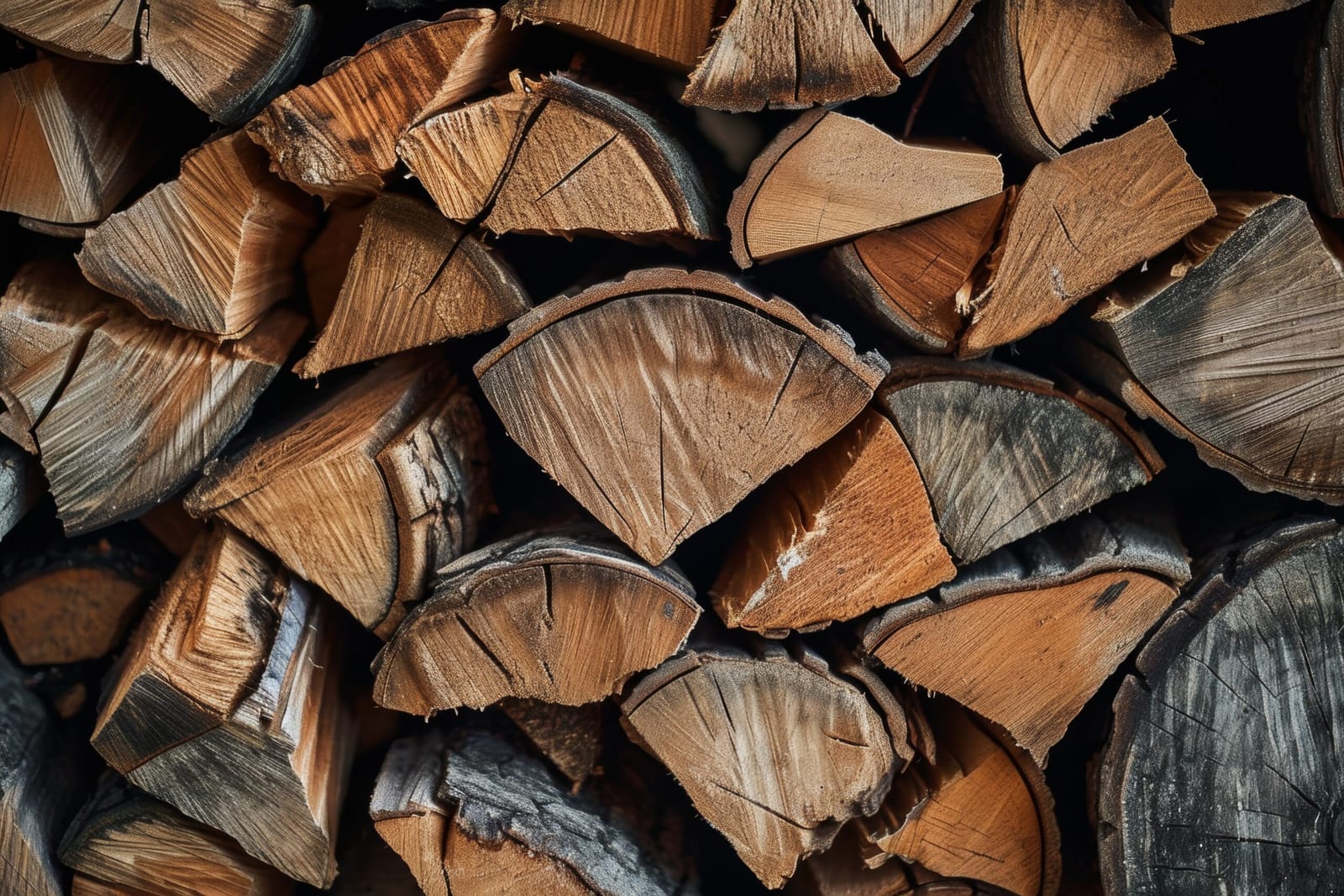
Properly seasoned wood should have a moisture content of less than 20%. Signs that wood is seasoned include a gray color, cracks in the end grain, and a hollow sound when pieces are struck together. You can also use a moisture meter for an accurate reading.
Can I burn wood immediately after it's cut?
Freshly cut wood, also known as green wood, is not ideal for burning. It contains too much moisture, which results in poor heating efficiency and increased smoke production. It’s best to allow wood to season for several months before using it as firewood.
What’s the best way to start a fire with my firewood?
Begin by arranging smaller pieces of kindling in a crisscross pattern, then place slightly larger pieces of softwood on top. Once the fire is established, add hardwoods to maintain long-lasting heat. Ensure proper air circulation to keep the fire burning efficiently.
Do I need a permit to collect firewood on public land?
Yes, collecting firewood from public lands often requires a permit. Regulations vary by location, so it’s essential to check with local forestry offices or land management agencies for specific rules and requirements. Always adhere to guidelines to support sustainable practices.
As you prepare for another Montana winter, ensure your home remains warm and inviting by securing the right amount of firewood. Contact Paradise Valley Timber Co. at 406-404-7501 for a quote or to discuss your specific firewood needs. Our team is ready to help you tackle the winter season with confidence.
Questions about your project? Call 406-404-7501 or request a quote.