A corral takes a beating. What to know about stout rough-cut timber, spacing, and materials for a livestock corral built to last.
Building a corral for your livestock is a task that demands careful planning and sturdy materials, especially in the rugged environments of Southwest Montana. A well-constructed corral will stand up to the wear and tear brought by the elements and the lively nature of farm animals. When you’re setting out to build a corral, particularly with rough-cut timber, you want to ensure that it's both durable and functional. This guide will walk you through the essentials of constructing a robust and lasting rough-cut timber corral that suits the needs of your Montana property.
Understanding the Importance of a Well-Built Corral
A corral is more than just a pen to hold your livestock. It’s a critical component of your ranch’s infrastructure, serving as a safe space for sorting, loading, and treating animals. In Paradise Valley and other parts of Southwest Montana, where weather can be extreme and livestock need sturdy containment, a well-built corral is crucial. Choosing the right materials and design can prevent escapes and injuries, saving you time and hassle in the long run.
Choosing Rough-Cut Timber for Your Corral
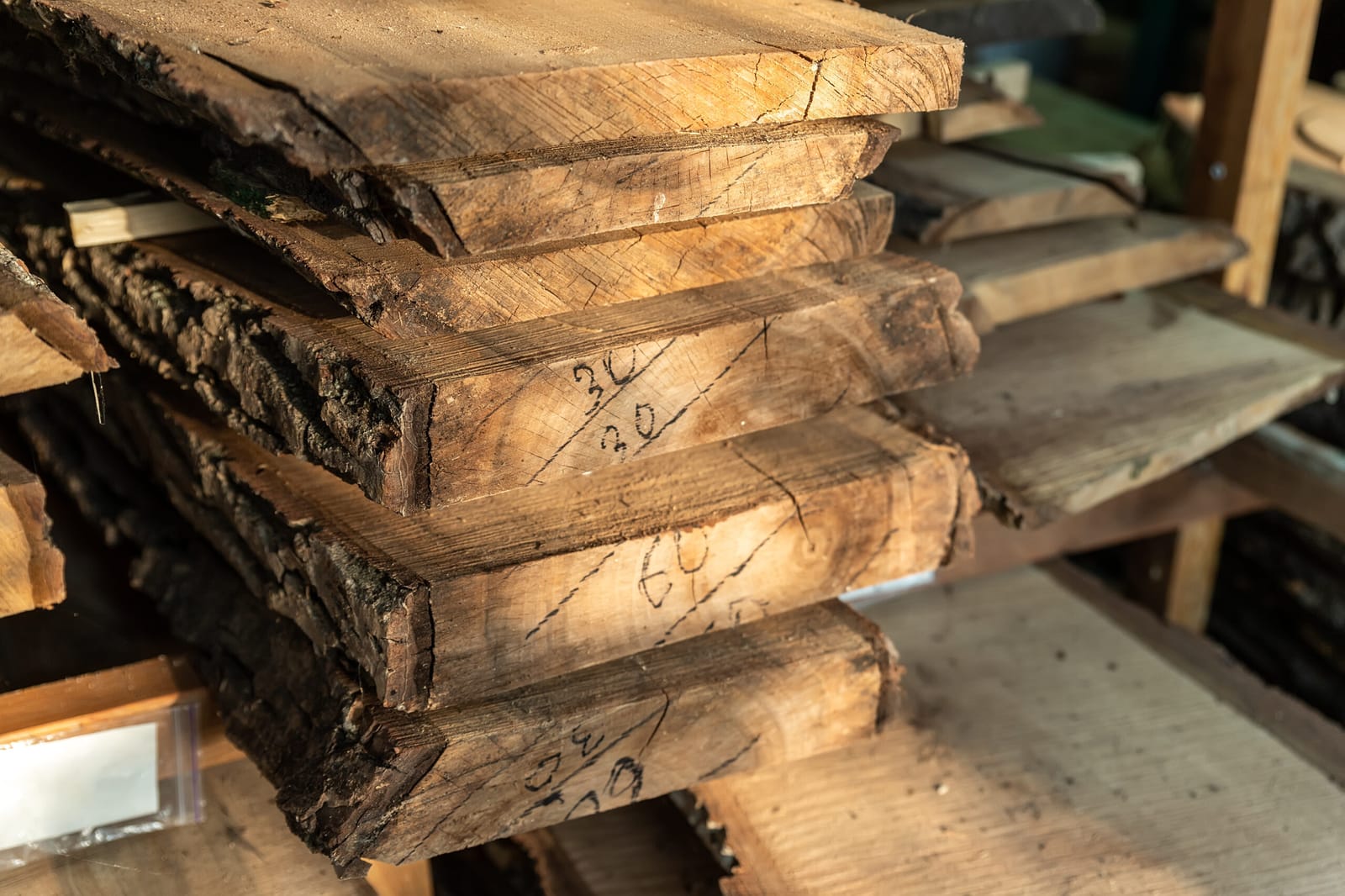
Rough-cut timber is a popular choice for corrals due to its strength and rustic aesthetic that blends well with Montana’s natural landscape. Unlike finished lumber, rough-cut timber retains its natural texture and thickness, offering a full dimension that’s ideal for withstanding the pressure from livestock. The rugged surface also provides more friction, which can be advantageous in providing more grip for animals and equipment.
Advantages of Rough-Cut Timber
The primary advantage of rough-cut timber is its durability. Because it is cut thicker than standard dimensional lumber, it provides a sturdier barrier that can resist the pushing and rubbing of cattle. Moreover, it typically costs less than finished lumber, making it an economical choice for large-scale projects like corrals. Rough-cut timber also weathers beautifully, taking on a classic, silver-gray patina that complements Montana’s wide-open spaces and blue skies.
Where to Source Your Materials
When sourcing rough-cut timber for your corral, you want to ensure the wood is from a reliable supplier who understands local conditions. Paradise Valley Timber Co. offers rough-cut lumber that’s suitable for corrals, with options for fence boards, beams, and posts. Call for current availability and bulk pricing options to ensure you get the best deal for your needs.
Planning Your Corral Design
Designing your corral involves more than just deciding on the dimensions. You’ll need to consider the layout to facilitate easy movement of livestock and to accommodate your specific needs, whether it’s sorting, loading, or holding. Every ranch is different, and your corral should reflect the unique requirements of your operation.
Size and Layout Considerations
The size of your corral will largely depend on the number of animals you manage and the activities you need it for. A general rule of thumb is to provide at least 20 square feet per animal, but this can vary depending on the type of livestock and whether you need room for equipment. Consider incorporating multiple pens for sorting and working chutes for loading and treatment. The layout should allow for smooth transitions, minimizing stress and potential injury to your livestock.
Building the Corral Structure
Once you’ve settled on a design, it’s time to start building. The key to a strong corral is a solid foundation and well-spaced posts that provide structural integrity. Rough-cut timbers, with their full dimension, will offer the strength needed, but proper installation is crucial for longevity.
Setting Posts
Begin by marking out the perimeter of your corral and identifying where each post will go. Posts should be set approximately 8 to 12 feet apart, depending on the size of your timbers and the pressure they’ll need to withstand. Use a post-hole digger to dig holes at least 2 to 3 feet deep to ensure stability, especially in areas prone to frost heave like Livingston and Bozeman.
Installing Rails
Once your posts are set and secured, you can begin installing the rails. Rough-cut 2x6 boards are an excellent choice for rails, offering a sturdy barrier that can handle the roughhousing of livestock. Rails should be spaced closely enough to prevent animals from pushing through or getting stuck—typically no more than a foot apart.
Weather Considerations for Corrals in Montana
Montana’s weather can be unpredictable, with harsh winters and hot summers. When building a corral, consider how the materials will hold up against snow, ice, and sun. Rough-cut timber is well-suited to these conditions as it expands and contracts naturally with temperature changes, reducing the risk of warping.
Protecting Your Timber
To further protect your timber from the elements, consider applying a weather-resistant sealant or stain. This can help prevent moisture absorption and prolong the life of your corral. Regular maintenance, such as checking for loose nails or damaged boards, will also help keep your corral in good shape year-round.
Common Pitfalls to Avoid
When building a corral, there are common mistakes that can lead to problems down the road. Avoid these by planning carefully and paying attention to detail during construction. One typical error is inadequate post depth, which can lead to leaning or collapse. Another is improper spacing of rails, which can compromise the corral’s ability to contain livestock effectively. Finally, skimping on materials may save money upfront but can lead to costly repairs or replacements later.
Ordering and Delivery Options
Once you’ve planned your corral and are ready to purchase materials, contact Paradise Valley Timber Co. at 406-404-7501 to discuss your needs. Rough-cut lumber is available for pickup or delivery, with delivery dependent on order size and location. Larger orders may qualify for discounted delivery, so be sure to inquire about bulk pricing options.
Frequently Asked Questions
How do I maintain my corral once it's built?
Regular maintenance is key to extending the life of your corral. This includes inspecting the structure for damage, tightening any loose fasteners, and applying a protective sealant every few years. During Montana’s harsh winters, keep an eye out for any frost heave that might affect the posts.
Can I build a corral myself, or do I need a professional?
Building a corral is a manageable project for many property owners with the right tools and knowledge. However, if you’re unsure about your skills or lack the necessary equipment, it might be worth hiring a professional crew to ensure the job is done correctly.
What is the best type of wood for a corral?
Rough-cut timber is an excellent choice due to its durability and cost-effectiveness. It’s important to select timber that is suitable for your specific environmental conditions, so call us to discuss options that would work best for your location in Montana.
Conclusion
Building a rough-cut timber corral is a significant investment in your property that demands thought and precision. With the right materials and construction techniques, you can create a durable and functional space that meets the needs of your livestock and withstands Montana’s challenging weather. Contact Paradise Valley Timber Co. at 406-404-7501 to start planning your corral project today, or request a quote to explore your options.
Questions about your project? Call 406-404-7501 or request a quote.