
Weight, cracks, sound, and a moisture meter. Four quick checks that tell you whether wood is ready to burn or still needs a summer.
Living in Montana, especially in the breathtaking landscapes of Paradise Valley and beyond, means being prepared for those long, chilly winters. A reliable source of heat is crucial, and for many, that means turning to firewood. But not all firewood is created equal. The key to a warm, efficient fire lies in using seasoned wood. But how do you know if your firewood is truly seasoned? In this article, we’ll walk you through the essential checks you can perform to determine the readiness of your woodpile, ensuring you make the most out of every log you burn.
Why Seasoned Firewood Matters
Seasoned firewood is wood that has been dried to a moisture content of around 20% or less. This drying process is vital because it significantly affects how well the wood burns. Unseasoned or green wood has a higher moisture content, often over 50%, which means it will produce more smoke, create less heat, and lead to creosote buildup in your chimney. For Montana homes, especially those nestled in areas like Livingston or Bozeman where winters can be harsh, using seasoned wood ensures efficient heating and safety.
The Importance of Weight in Determining Seasoned Wood
One of the simplest checks for seasoned firewood is its weight. When wood is freshly cut, it retains much of its water content, making it significantly heavier. As it dries, it becomes lighter. When you handle your firewood, seasoned logs should feel light for their size. In Emigrant or Gardiner, where the air is dry, the seasoning process can happen relatively quickly compared to more humid regions. However, always compare logs of similar size and species to get a more accurate assessment of their weight.
Cracks and Checks: Visual Signs of Seasoned Wood
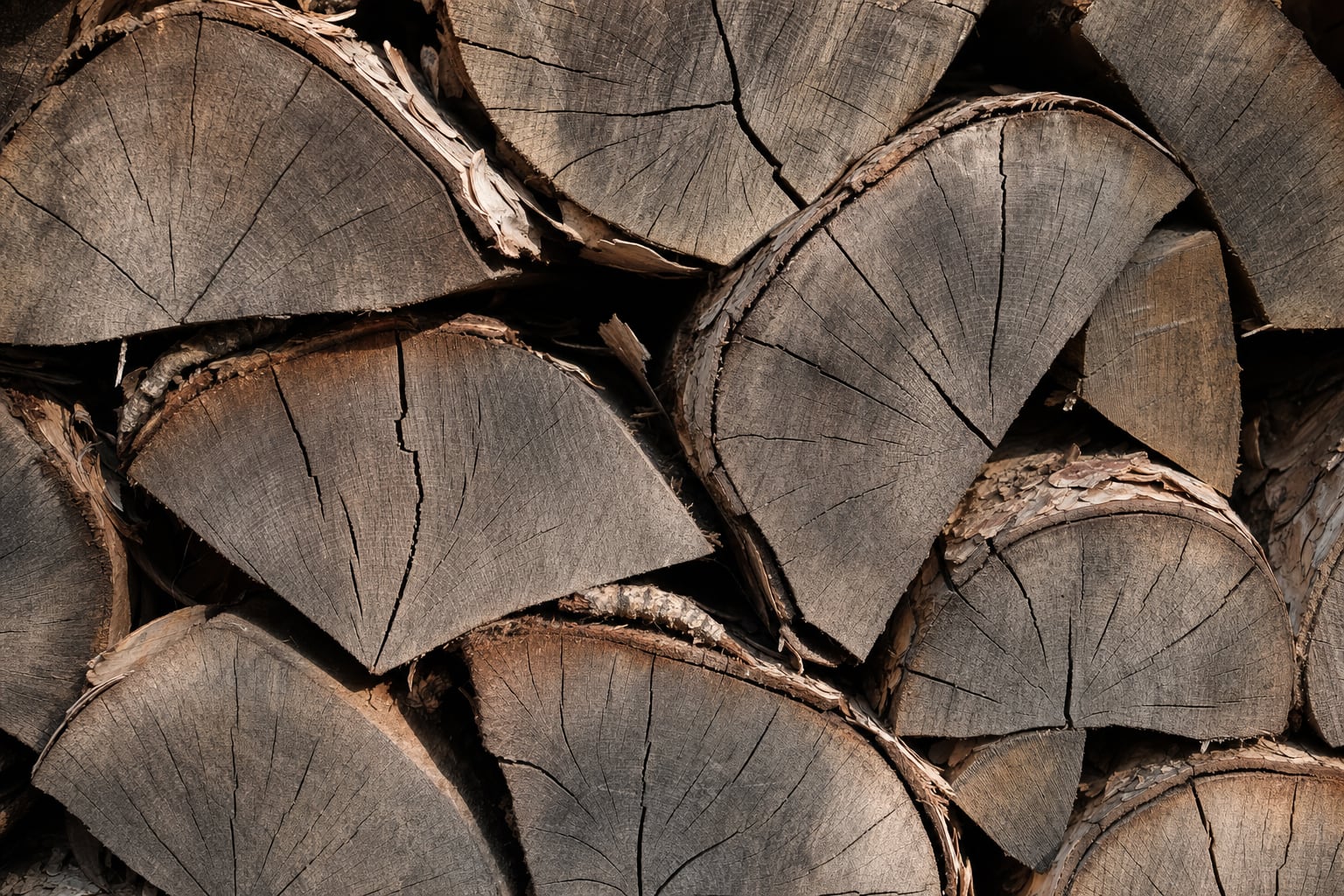
Another visual clue that your firewood is seasoned is the presence of cracks or 'checks' in the wood. As wood dries, the surface begins to shrink and split. These cracks, often running along the grain, indicate that moisture has left the wood. In areas like Big Sky or the Shields Valley, where temperatures can fluctuate, these checks may be more pronounced due to the expansion and contraction of the wood. When inspecting your woodpile, look for these signs as a good indicator of seasoning.
The Sound Test: Listening for the Right Tone
The sound test is a classic method used by many seasoned firewood users. When two pieces of seasoned wood are banged together, they produce a sharp, resonant sound. In contrast, green wood will emit a dull thud. This method can be particularly effective in a quiet setting, like a cabin in Wilsall or a ranch in Clyde Park. Simply take two logs and give them a good knock together. The sound they make will tell you a lot about their moisture content.
Using a Moisture Meter for Accurate Readings
For those who want precise information, a moisture meter is an invaluable tool. These devices measure the moisture content of wood and can give you a percentage reading. For Montana residents, investing in a moisture meter is a practical choice, especially if you rely heavily on wood for heating. It’s particularly useful for larger orders where visual inspection alone might not suffice. By inserting the meter’s probes into the wood, you can quickly determine if the firewood has reached the ideal moisture content for burning.
Understanding the Time Frame for Seasoning
The time it takes for firewood to season can vary based on several factors, including the type of wood and local climate. In Paradise Valley, a full summer season is typically sufficient for most wood types. However, denser woods may require a longer drying period. If you’re planning ahead for the next winter, consider splitting your wood in late winter or early spring to give it ample time to dry by the time the cold sets in again.
Choosing the Right Location for Seasoning
Proper storage is crucial for effective seasoning. Firewood should be stacked off the ground to allow air circulation and prevent moisture absorption from the soil. In Bozeman, where occasional rainfall can be an issue, covering the top of your woodpile can protect it from rain while leaving the sides exposed for airflow. In windier areas like Gardiner, stacking wood in a way that maximizes exposure to prevailing winds can accelerate the drying process.
Common Mistakes with Firewood Seasoning
One common mistake is stacking wood too tightly, which restricts airflow and slows down the drying process. Another misstep is leaving wood exposed to rain or snow without covering, leading to reabsorption of moisture. For those in Livingston or Emigrant, where weather conditions can be unpredictable, it’s important to check on your woodpile regularly and adjust your setup as needed to ensure it continues to season properly.
Ordering and Delivery Considerations
When ordering firewood, especially in bulk, it’s essential to specify that you want seasoned wood. At Paradise Valley Timber Co., we offer firewood by the cord with the option for pickup or delivery. Delivery depends on order size and location, and larger orders may qualify for discounted delivery. Always request current pricing and availability to ensure you’re getting what you need for your Montana home.
Frequently Asked Questions
What is the ideal moisture content for seasoned firewood?
The ideal moisture content for seasoned firewood is around 20% or less. This ensures that the wood burns efficiently, producing more heat and less smoke. Using a moisture meter can help you confirm that your wood has reached this level.
How long does it take for firewood to season?
The seasoning time for firewood can vary, but generally, a full summer season is sufficient for most types of wood in Montana. However, denser species may require a longer period to dry completely.
Can I burn unseasoned wood in my fireplace?
While it is possible to burn unseasoned wood, it is not recommended. Green wood produces more smoke, less heat, and can cause creosote buildup in your chimney, which can be hazardous. It’s always best to use seasoned wood for burning.
Conclusion
Ensuring your firewood is properly seasoned is crucial for efficient heating and safety during Montana’s cold winters. By paying attention to weight, visual cues, sound, and moisture readings, you can confidently assess your firewood's readiness. For those needing a reliable source, contact us at Paradise Valley Timber Co. at 406-404-7501 or request a quote to keep your home warm and cozy all winter long.
Questions about your project? Call 406-404-7501 or request a quote.