
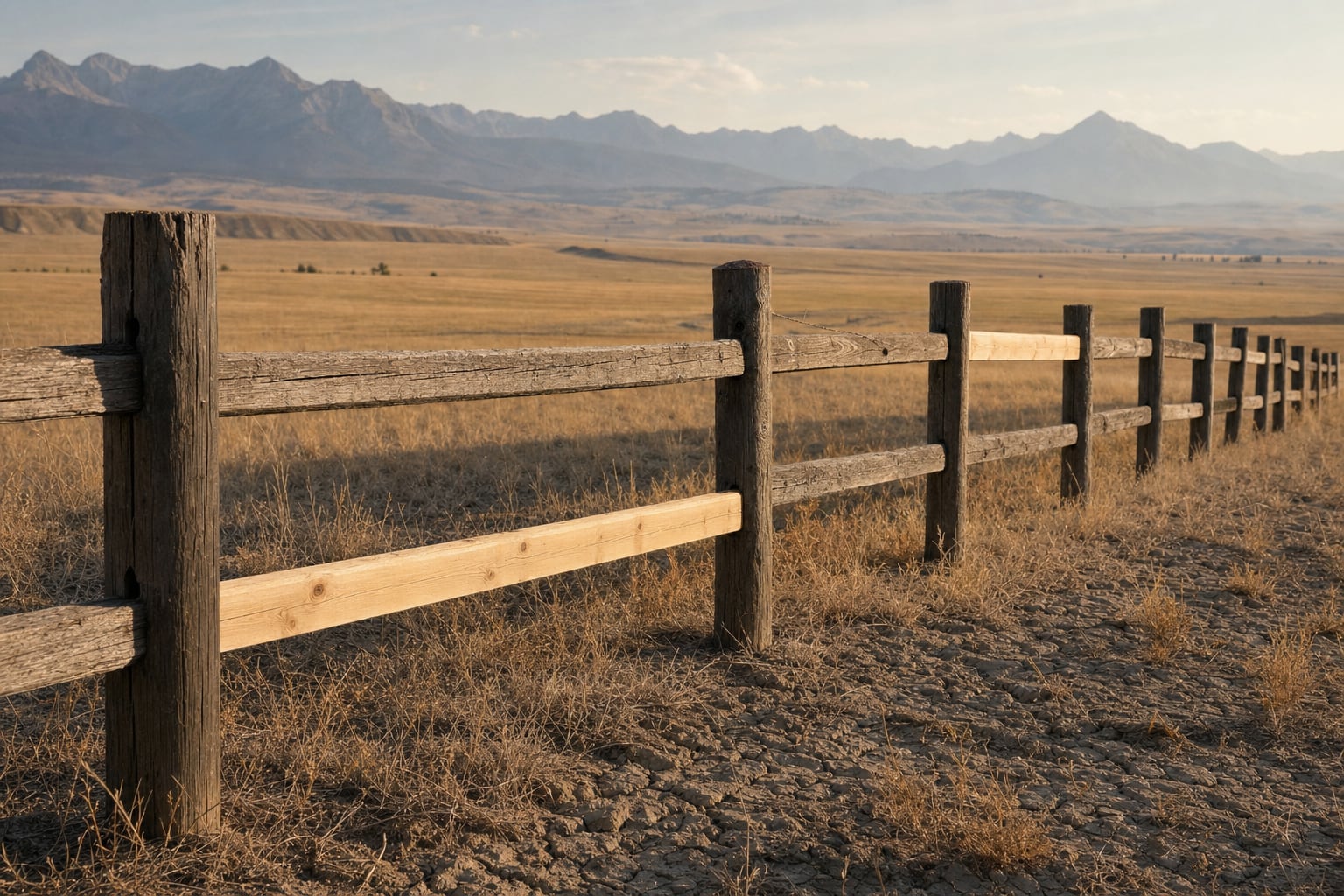
Dry ground and long days make late summer the best fence window of the year. How to walk the line and prioritize before frost sets in.
In the rugged terrain of Montana, maintaining a sturdy fence is more than just a chore; it’s a vital part of ranch and property management. As summer winds down, the late-season warmth offers a prime opportunity to tackle any repairs or installations before the frosts of fall take hold. With the long, dry days of late summer providing the perfect conditions, now is the time to assess and address your fencing needs. Whether you’re keeping livestock in or wildlife out, a solid fence is essential for protection and privacy. Let’s explore why late summer is ideal for these projects and how you can efficiently prepare your property for the colder months ahead.
The Importance of Fence Maintenance in Montana
Montana's unpredictable weather and diverse landscapes can take a toll on fencing. From the open plains of Paradise Valley to the mountainous regions near Bozeman and Big Sky, fences face constant exposure to elements that can wear them down over time. Regular maintenance is critical to ensure that your fences remain functional and continue to provide the necessary boundary around your property. Neglecting repairs can lead to larger, more expensive issues down the road, including structural failures that could put livestock at risk or allow wildlife to encroach on your land.
Why Late Summer is the Optimal Time for Fence Repairs
Late summer offers a sweet spot for fence repairs in Montana. The ground is typically dry and firm, making it easier to dig posts and stabilize your fencing materials. The long daylight hours allow for extended work periods, maximizing productivity. Additionally, tackling repairs in late August or early September ensures your fence is ready to withstand the upcoming winter conditions, which can include heavy snowfall and freezing temperatures.
Assessing Your Fencing Needs
Before embarking on repairs, take a comprehensive walk around your property to assess the state of your fences. Look for common issues such as leaning posts, broken boards, rusting metal components, and signs of rot or insect damage. Checking the tension of wire fencing is also crucial, as loose wires can compromise the effectiveness of the barrier. Make a list of all necessary repairs and prioritize them based on severity and potential impact on your property’s security and functionality.
Choosing the Right Materials for Durability
Selecting the right materials is key to ensuring the longevity of your fence. Here in Montana, where weather conditions can be harsh, using high-quality, rough-cut lumber is a popular choice for its durability and rustic appeal. Paradise Valley Timber Co. offers full dimension 2x6 fence boards, beams, and posts that are well-suited for these demands. Whether you choose to purchase materials only or opt for installation through our partner crew, investing in quality ensures your fence will stand strong over time.
Step-by-Step Guide to Repairing Your Fence
1. Gather Your Tools and Materials
Before beginning any repair work, gather all necessary tools and materials. This will typically include a post hole digger, drill, hammer, nails, screws, replacement boards, and a level. Having everything on hand will streamline the repair process and minimize downtime.
2. Remove and Replace Damaged Sections
Carefully remove any damaged boards or posts. If you’re replacing posts, ensure the new posts are set into the ground at the appropriate depth for stability. Use a level to confirm the posts are straight before securing them in place. For boards, measure and cut replacements to fit snugly, and attach them securely using nails or screws.
3. Tighten Wire Fencing
If your fence includes wire components, check for slack and tighten the wires as needed. This might involve adjusting tensioners or replacing sections of wire that are beyond repair. Ensure the wire is taut and evenly distributed along the fence line to maintain its effectiveness.
4. Inspect and Secure Connections
Finally, inspect all connectors and fasteners to ensure they are secure. Replace any rusted or corroded components to prevent future failures. This step is crucial for maintaining the overall integrity of your fence.
Addressing Common Mistakes in Fence Repairs
One of the most common mistakes in fence repair is neglecting to check the alignment and level of posts. This oversight can lead to a wobbly fence that won’t hold up against wind and weather. Another frequent error is using improper materials that can’t withstand Montana’s climate, leading to premature degradation. Lastly, failing to maintain consistent tension in wire fencing can result in weak spots that compromise the fence’s functionality. Being mindful of these pitfalls can save time and resources in the long run.
Ordering Materials and Scheduling Repairs
For those ready to tackle their fence repairs, securing the right materials is the first step. At Paradise Valley Timber Co., we offer a range of rough-cut lumber options and can help you determine the best fit for your project. Call for current availability and discuss your specific needs. Whether you choose material-only or opt for installation through our partner crew, we’re here to assist. Larger projects may be eligible for discounted delivery, so be sure to inquire about that as well.
Timing and Weather Considerations
In Montana, the window for outdoor projects can be narrow. By late September, frosty mornings and unpredictable weather patterns begin to emerge, especially in higher elevations like Gardiner and Big Sky. Planning your repairs for late summer ensures you can work comfortably and efficiently without the added challenge of cold, wet conditions. Keeping an eye on local weather forecasts can also help you choose the best days for outdoor work.
Frequently Asked Questions
How do I know if my fence needs repair?
Regular inspections are key. Walk the fence line and look for signs of damage such as leaning posts, broken boards, loose wires, and rusted components. If you notice any of these issues, it’s time to plan for repairs.
What types of wood are best for Montana fences?
Durable, rough-cut lumber is ideal for Montana’s climate. It can withstand harsh weather conditions while maintaining structural integrity and a rustic appearance. Contact us to discuss what’s available and best suited for your project.
Can I install a new fence in the fall?
While it’s possible, installing a fence in the fall can be challenging due to colder temperatures and unpredictable weather. Late summer is a more favorable time, allowing for easier digging and setting of posts.
Do you provide installation services?
Yes, we offer fence installation services through a trusted partner crew. You can choose to have your fence installed professionally or purchase materials for a DIY project.
Ready to Begin Your Fence Repairs?
Late summer is the perfect time to ensure your fence is ready to face the challenges of Montana’s winter. By taking advantage of the current weather conditions, you can make necessary repairs and installations with ease. For quality materials and expert advice, contact Paradise Valley Timber Co. at 406-404-7501 or request a quote today. We’re here to help you keep your property secure and looking its best.
Questions about your project? Call 406-404-7501 or request a quote.