Rough-cut or planed? For Montana fence lines, sheds, and ranch builds, the boards you pick make a real difference. Here's how they compare.
Living in the rugged heart of Montana, where the landscapes are as vast as they are breathtaking, the choice of materials for ranch projects holds significant weight. Whether you're erecting a new fence line, building a shed, or embarking on any number of ranch builds, the type of lumber you choose can have a lasting impact on the durability and aesthetic of your project. At Paradise Valley Timber Co., we're often asked about the advantages of rough-cut lumber compared to the more commonly found store-bought, planed lumber. Today, we'll delve into the key differences and help you decide which is best suited for your needs.
Understanding Rough-Cut Lumber
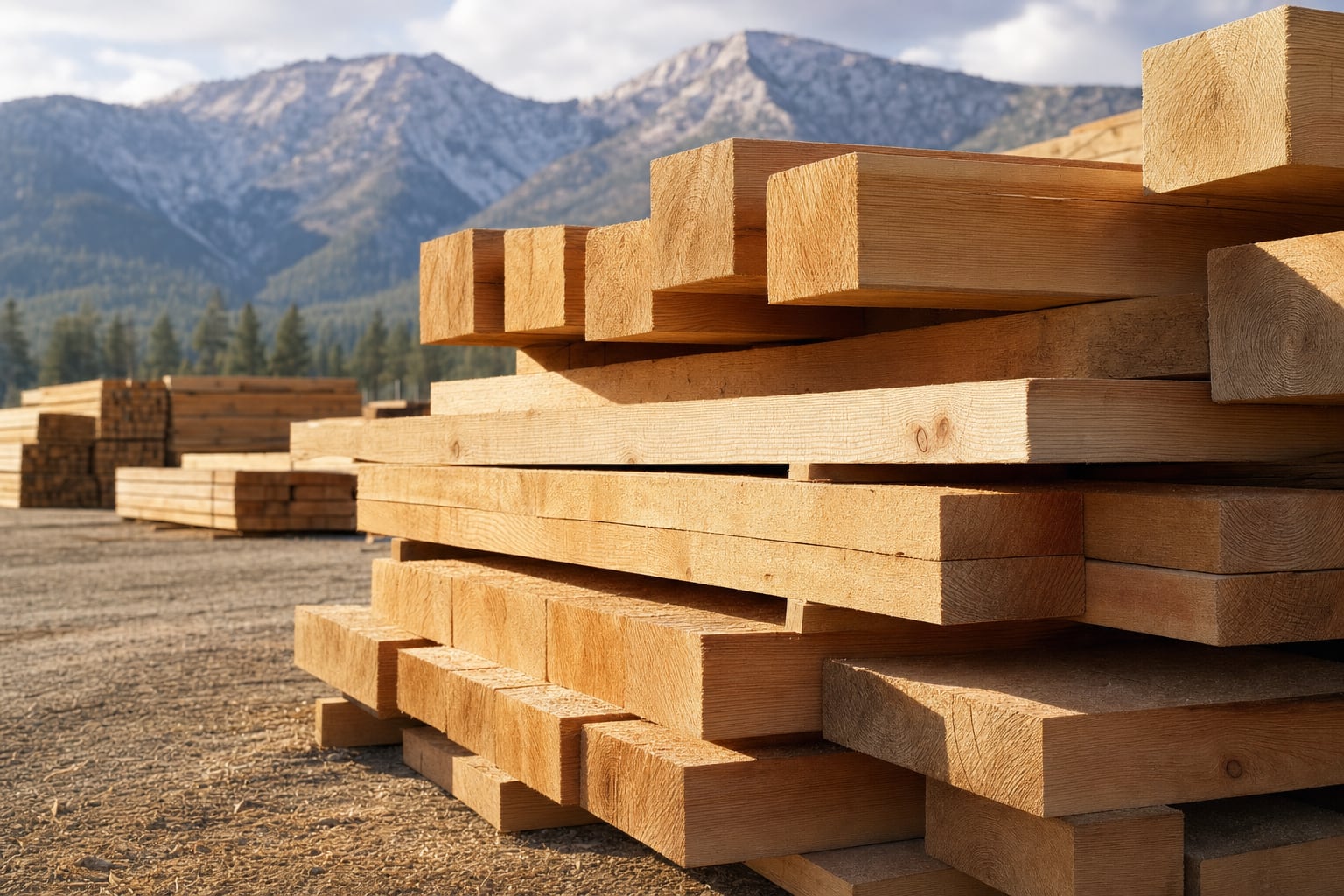
Rough-cut lumber, as the name suggests, comes straight from the sawmill without undergoing further processing like planing or sanding. This type of lumber retains the full dimensions of the wood, which means if you order a 2x6, you actually receive a piece that measures true to size. The rustic and natural appearance of rough-cut lumber makes it particularly appealing for ranch projects in Montana, where authenticity and rugged charm are valued.
Why Choose Rough-Cut for Your Ranch?
Rough-cut lumber is often favored for its affordability and strength. Because it hasn't been planed, more of the original wood is preserved, making it a sturdier choice for structural applications. This is particularly important for ranch projects that need to withstand the harsh Montana weather, where strong winds and heavy snowfalls are common. Additionally, using rough-cut lumber allows for a unique, rustic appearance that blends seamlessly with the natural beauty of the landscape.
Key Decisions and Trade-Offs
Choosing rough-cut lumber involves considering a few trade-offs. While it offers a more substantial and rustic look, the surface is less refined than planed lumber, which can make it more difficult to paint or stain uniformly. For some projects, this isn't an issue, or even adds to the desired aesthetic. However, if a smooth finish is important to you, additional sanding may be necessary, which can add to the labor and time spent on your project. Additionally, rough-cut lumber may require more careful handling during installation to avoid splinters.
Exploring Store-Bought Lumber
Store-bought lumber, or planed lumber, is what you'll typically find at retail outlets. This lumber has been processed to smooth out rough surfaces, making it uniform in size and easier to handle. This standardization comes at the cost of some of the wood's thickness and strength, as the planing process removes material to achieve that smooth finish.
Practical Benefits of Planed Lumber
One of the primary benefits of store-bought lumber is its ease of use. The smooth surfaces allow for quicker installation and make it easier to apply finishes like paint or stain, which can be important for aesthetic projects or when matching existing structures. It's also commonly available, which can be a deciding factor if you're working on a tight timeline and need materials immediately. However, the uniformity and refinement often come at a higher price point.
What Projects Suit Store-Bought Best?
Planed lumber is ideal for projects where precision and finish are paramount. It's commonly used in interior applications, where smoothness and appearance are critical. For example, if you're building a ranch house or an interior barn structure that requires painting, store-bought lumber can save time and effort. However, it's important to assess whether the added cost and potential reduction in strength are worth it for your outdoor ranch projects.
Materials and Options: A Closer Look
When considering the options for your Montana ranch projects, it's crucial to look at the types of wood available. At Paradise Valley Timber Co., we offer a variety of rough-cut options to suit different needs. Whether you’re looking for 2x6 fence boards to withstand the elements or larger beams for structural integrity, the key is matching the wood to the requirements of your project. Custom milling services are also available for those who need specific sizes or have unique project demands.
Timber Sizing and Measurements
One of the most significant advantages of using rough-cut lumber is its true-to-size dimensions. This can be especially important in structural applications where precise measurements are needed to ensure stability and safety. For example, when constructing a pergola or ranch entryway, having beams that are exactly the size you expect can make a significant difference in the final result. Conversely, store-bought lumber may require additional adjustments to fit these needs.
Practical Steps for Ordering and Installation
When it comes to ordering rough-cut lumber from Paradise Valley Timber Co., it's important to consider your project scope and timeline. Custom milling has minimum order requirements, so plan your purchase carefully to ensure you have enough material. For larger projects, bulk pricing may be available, and delivery options depend on order size and location. If you're unsure about the quantity needed, consulting with a professional can help avoid under- or over-ordering.
Delivery and Installation Considerations
The delivery process is straightforward but requires planning. Larger orders may qualify for discounted delivery, which can be a significant cost saver. For those who need installation, we offer the option to have materials installed through our partner crew, ensuring that your project is completed to a high standard. Whether you choose to pick up the materials yourself or have them delivered, make sure to align your order with your project's timeline, especially considering the unpredictable Montana weather.
Montana Weather and Seasonal Timing
Montana's climate is as varied as its terrain, with conditions ranging from heavy snowfalls in the winter to dry, hot summers. Timing your project can significantly impact its success, especially when working with wood. For instance, installing a fence during the drier months can prevent warping and other moisture-related issues. It's also easier to work with wood in milder conditions, reducing the risk of delays due to weather.
Local Notes for Specific Areas
Each area within our service range, from the windswept plains of Livingston to the mountainous terrains of Big Sky, presents unique challenges and opportunities for building. Emigrant and Paradise Valley, with their stunning vistas, often call for materials that can withstand wind and temperature extremes. Meanwhile, areas like Gardiner may require lumber that can handle wildlife interactions, especially near Yellowstone. Understanding these local conditions can help you choose the right materials and timing for your project.
Common Mistakes to Avoid
One of the most common mistakes in ranch projects is underestimating the quantity of lumber needed. It's always better to have a bit extra than to run short mid-project. Another oversight is neglecting to consider how the wood will react to local environmental conditions, leading to issues like warping or splitting. Proper storage prior to use is crucial, as is allowing the wood to acclimate to the site's humidity levels before installation.
Frequently Asked Questions
Is rough-cut lumber more affordable than planed lumber?
Generally, rough-cut lumber is more affordable because it requires less processing. However, costs can vary based on the type of wood and the specific dimensions you need. Always request current pricing for the most accurate estimate.
Can rough-cut lumber be used for interior projects?
Yes, rough-cut lumber can be used for interior projects, particularly if you're aiming for a rustic or barnhouse aesthetic. However, be prepared for additional sanding or finishing if a smoother surface is desired.
How does weather affect my choice of lumber?
Montana's weather can be harsh, so choosing a lumber type that withstands your specific area's conditions is crucial. Rough-cut lumber offers more durability and thickness, which can be beneficial in exposed outdoor settings.
What is the best way to store lumber before use?
Store your lumber in a dry, covered area to protect it from the elements. Elevating it off the ground can prevent moisture absorption and help maintain its integrity until you're ready to use it.
Choosing the right lumber for your ranch project is a decision that involves weighing the benefits of rough-cut versus store-bought options. At Paradise Valley Timber Co., we're here to help you make an informed choice that suits your specific needs and local conditions. For more information or to request a quote, call us at 406-404-7501. Let us help you build something lasting in the beautiful Southwest Montana landscape.
Questions about your project? Call 406-404-7501 or request a quote.