
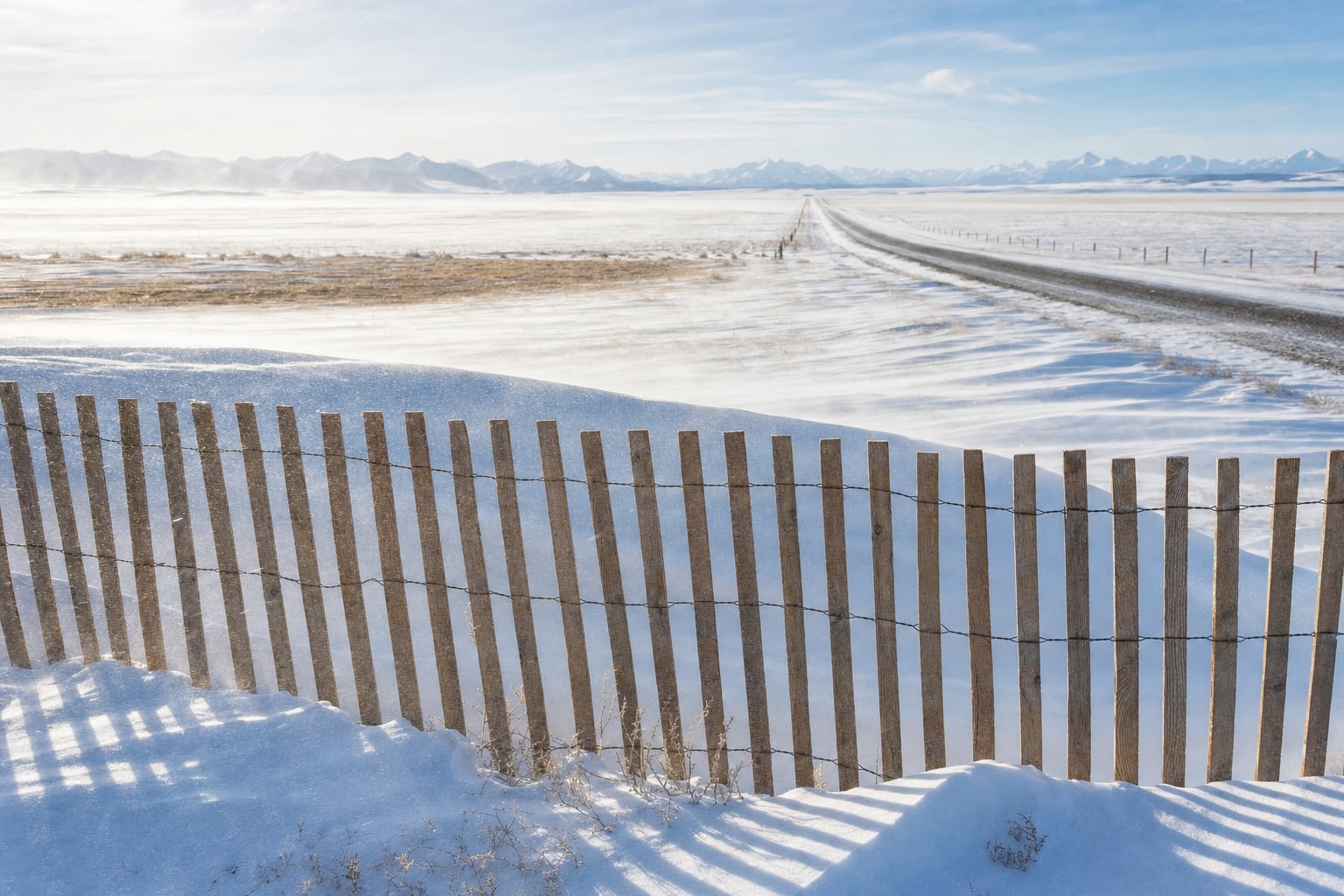
A drift in the wrong place costs you a morning with a tractor. How snow fence works, and where it has to sit to do anything.
Montana winters are renowned for their beauty, but they bring their own set of challenges, especially for homeowners and ranchers who have to deal with snow drifts blocking driveways and access roads. A snow fence can be a practical solution to control these drifts, saving you time and effort when it's time to clear the way. Installing a snow fence may seem straightforward, but its effectiveness depends heavily on proper placement and understanding how it works. This article will guide you through the essentials of snow fence installation, helping you keep your driveways clear and accessible all winter long.
Understanding Snow Drifts and Their Impact
Snow drifts occur when wind moves loose, powdery snow into piles or drifts. In Montana, where open landscapes are common, wind can easily pick up snow and deposit it in unfortunate places, such as your driveway or the path to your barn. These drifts not only block access but can also freeze into hard, compacted barriers that require significant effort to remove. For ranchers and homeowners in areas like Paradise Valley and Livingston, where weather can be unpredictable, controlling snow drifts is crucial to maintaining daily routines.
The Principles of Snow Fence Placement
A snow fence works by disrupting wind flow, causing snow to drop out of the air and settle before it reaches your driveway. To achieve this, the fence needs to be positioned correctly and at the right distance from the area you're trying to protect. A general rule of thumb is to place the fence far enough away—often 30 to 60 feet upwind of the road or driveway—so that the snow drops in a controlled area. The exact distance can vary depending on the wind strength and the topography of the land. Understanding local wind patterns, especially in places like Bozeman and Big Sky, will help you determine the best location for your snow fence.
Choosing the Right Materials for Your Snow Fence
When it comes to building a snow fence, materials matter. Rough-cut lumber is a popular choice for its durability and rustic look, which suits the Montana landscape. At Paradise Valley Timber Co., we offer full-dimension rough-cut lumber, including 2x6 fence boards that are perfect for constructing sturdy snow fences. The key is to ensure the fence is solid enough to withstand heavy winds and snow loads, common in areas such as Gardiner and Wilsall.
Step-by-Step Guide to Building a Snow Fence
Planning Your Fence
The first step in building a snow fence is planning its placement and structure. Sketch your property to identify prevailing wind directions and potential snow drift zones. Once you've determined the fence's location, calculate the total length needed. Keep in mind the height of the fence; typically, a four-foot fence is sufficient for most Montana conditions, but higher may be necessary in particularly windy areas.
Gathering Materials
For a basic snow fence, you'll need sturdy posts, fence boards, and fasteners. Paradise Valley Timber Co. can supply the rough-cut lumber needed. Depending on your design preference, you might opt for a solid wooden fence or a slatted design that allows some wind to pass through, which can be effective in reducing snow buildup.
Installation Process
Start by setting the posts securely in the ground, ensuring they are deep enough to withstand the pressure of snow and wind. Space the posts at regular intervals, usually around 8 to 10 feet apart, to provide adequate support for the fence boards. Once the posts are in place, attach the boards horizontally, leaving gaps between them if you're aiming for a slatted design. This construction method allows the fence to break the wind's force without being toppled by it.
Local Considerations for Installation
Montana's varied landscapes mean that snow fence installation can differ depending on your location. In more open areas like the Shields Valley, wind speeds can be higher, necessitating more robust construction. Conversely, in more sheltered locations such as the foothills around Emigrant, the focus might be on strategic placement rather than fence height. Understanding the local climate and wind patterns is essential for ensuring your snow fence is both effective and durable.
Avoiding Common Mistakes
A common mistake is installing the fence too close to the area you're trying to protect, which can actually exacerbate snow buildup. Another error is underestimating the wind's strength; a poorly anchored fence can become a hazard if it collapses. Always ensure the fence is well-secured and that you're using materials rated for the local climate. Consulting with local experts or calling us at 406-404-7501 can provide insights specific to your property's needs.
How to Order and Install Through Paradise Valley Timber Co.
Ordering your snow fence materials from Paradise Valley Timber Co. is straightforward. You can call us to request current pricing and availability. We offer delivery services, which depend on order size and location, ensuring you get what you need without hassle. If you're looking for a complete solution, we also provide fence installation through our partner crew, allowing for a seamless process from material selection to finished installation.
Frequently Asked Questions
How far should a snow fence be from the driveway?
The optimal distance for a snow fence from a driveway is typically 30 to 60 feet upwind. This spacing allows the snow to settle away from the path you're trying to keep clear. Adjust this distance based on local wind conditions and your property’s specific needs.
Can I install a snow fence myself?
Yes, installing a snow fence is a doable project for many homeowners, especially with the right materials and guidance. If you prefer a hands-off approach or need assistance with larger installations, our partner crew can handle the job for you.
What maintenance does a snow fence require?
Maintenance for a snow fence mainly involves checking for any damage after storms and ensuring that all posts remain secure. Regular inspections will help extend the life of your fence and ensure its continued effectiveness.
What is the best material for a snow fence?
Rough-cut lumber is an excellent choice for a snow fence due to its strength and durability, especially in the harsh Montana climate. At Paradise Valley Timber Co., we provide high-quality lumber that can withstand the elements while offering a natural, rugged appearance.
For those looking to manage snow drifts effectively and keep their driveways clear, a well-placed snow fence is an invaluable tool. Whether you're a homeowner in Bozeman or a rancher in Clyde Park, our team at Paradise Valley Timber Co. is here to help. Call us at 406-404-7501 or request a quote today to start your snow fence project and ensure a clear path through the Montana winter.
Questions about your project? Call 406-404-7501 or request a quote.